DMPs are going global

…well international at least, with global aspirations. The US-based DMPTool and UK-based DMPonline have collaborated from the beginning to provide data management planning services and training on our respective sides of the pond. As more and more funders, institutions, and nations—the entire EU, for instance—adopt data sharing policies, we find ourselves supporting data management planning initiatives farther and wider.

To meet the exploding demand and facilitate connecting the dots (e.g., promoting community standards for DMPs), we’ve decided to formalize our partnership and move toward a single platform for all things DMP. You can learn more about our evolving partnership in this joint paper that we’ll be presenting at the International Digital Curation Conference (IDCC) at the end of Feb. Stay tuned for updates about a joint roadmap and timeline in the coming months. Our individual roadmaps will remain in place for now.

As always, we invite your feedback! And if you happen to be attending IDCC, consider joining us and the DART Project for an international DMP workshop on Thurs, Feb 25 (registration info).
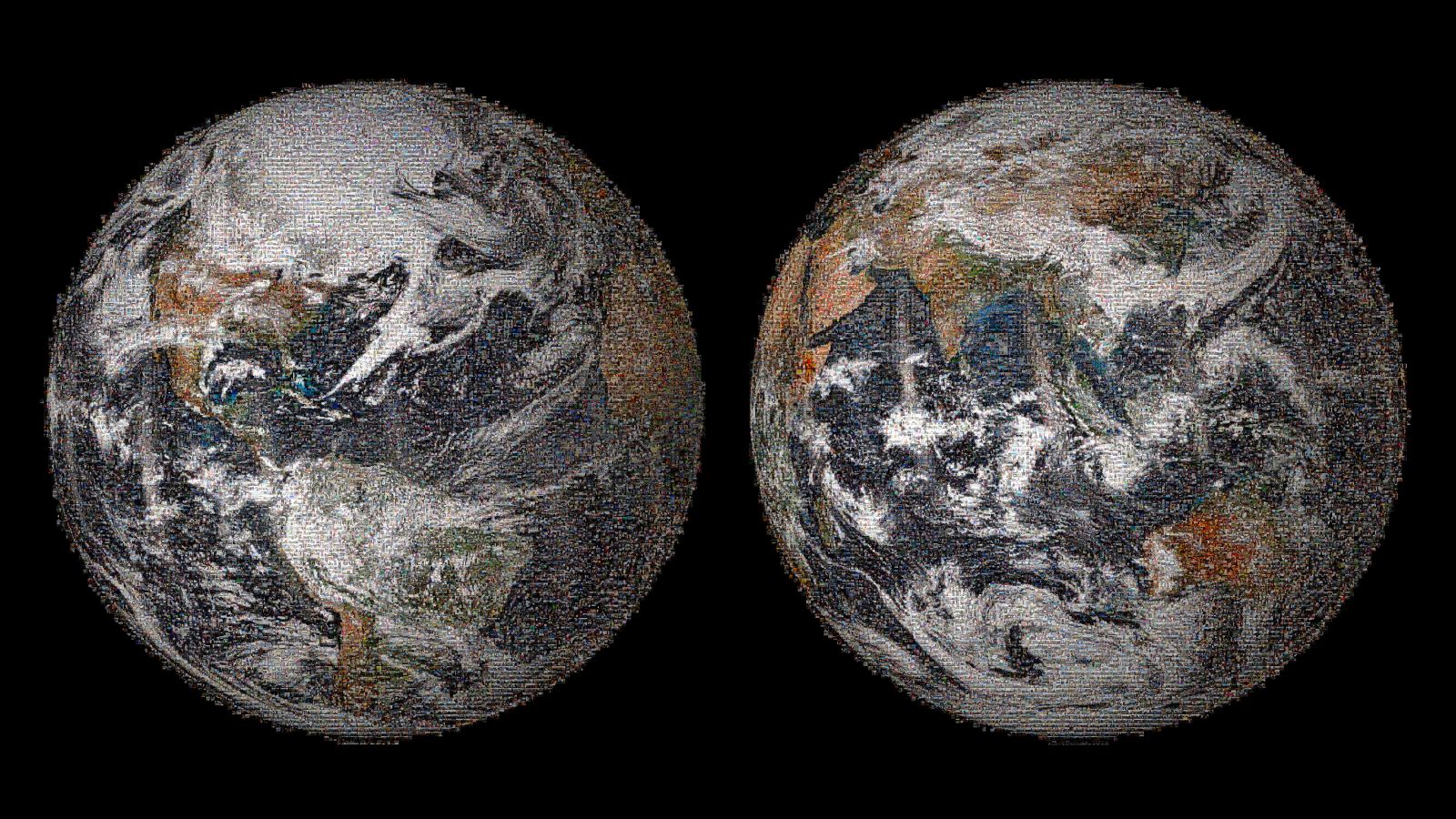
GlobalSelfieMosaic

NASA’s Global Digital Selfie 2014 http://www.gigapan.com/gigapans/155294

DMPTool maintenance and a roadmap

First things first, we want to inform you about upcoming maintenance. The DMPTool will be unavailable on Wednesday Feb 3, 2016 5:00 – 6:00pm (PDT) while we migrate the database to AWS. The application will also be moving to the cloud so you can expect another maintenance message in the near future. We apologize for the inconvenience.

In other news, we’re excited to share the following roadmap for future development. Thanks to all of your suggestions about how to improve the DMPTool, we’ve identified and prioritized some feature enhancements to meet evolving data management planning needs:

  • API work for integration projects with other data management systems, to extract guidance and customizations, and to generate additional user statistics
  • Formatting tools for template creation and customization views
  • Search function for lists of templates, customizations, and partner institutions
  • Function for customizing auto-generated email messages (e.g., when a user submits a plan for review)

Migrations and bug fixes are already underway. We’ll provide a timeframe for the roadmap in the coming months as we clear the backlog and move on to enhancements. You can also track our progress and help shape future plans by submitting feedback through our GitHub Issue Tracker.

New NSF-BIO template

On October 1, 2015, the NSF Directorate of Biological Sciences issued Updated Information about the Data Management Plan Required for Full Proposals. Changes to the guidelines include some reorganization and clarification of the components of the DMP. There is a new section, “Future Proposals,” highlighting that DMP implementation will be considered during evaluation of future proposals. The new guidelines also contain a handy list of data management resources and training opportunities, including links to DataONE, Data Carpentry, and Software Carpentry, as well as mention of services provided by university libraries. According to the NSF Bio Buzz blog, the updated DMP guidelines are part of the newly released Proposal and Award Policies and Procedures Guide, which applies to proposals submitted, or due, on or after January 25, 2016.

As with the previous revision to the NSF-BIO guidelines in 2013, we handled the changes to the template in the DMPTool by deactivating the old one and creating a new template. DMPTool users who created plans using the old template(s) will continue to have full access to those plans. Users creating new NSF-BIO plans will be presented with the new 2015 template.

We will continue monitoring the Bio Buzz blog for future updates.

New DOE “Generic” template

We’ve added a drop-down list for the U.S. Department of Energy (DOE) and created a new “Generic” template. The existing “DOE: Office of Science” template remains the same.

These template changes come in response to the recent release of the agency-wide DOE Policy for Digital Research Data Management, which took effect on October 1, 2015 and applies to all Unclassified and Otherwise Unrestricted Digital Research Data. The suggested elements for data management that were being piloted by the Office of Science will now apply to all DOE-sponsored research programs. Going forward, each sponsoring office must include the requirements for DMPs in all solicitations and invitations for research funding, with details about how and when a DMP should be submitted. The generic template contains updated DOE links that direct researchers to consult the appropriate sponsoring office for specific requirements and guidance. The new links also include a helpful list of Data Management Resources at DOE Scientific User Facilities.

Stay tuned for more template news from the DMPTool as agencies continue to revise existing policies and release new ones.

New template: NIH Genomic Data Sharing

The National Institutes of Health issued new Guidance for Investigators in Developing Genomic Data Sharing Plans along with some helpful sample plans (dated July 14, 2015). The DMPTool team has been monitoring the responses to the OSTP memo by federal agencies, but this alert came to us via the DMP admin email list. Please continue to let us know when you hear anything at all (see the links from a previous post “How you Can Help”)!

We added a National Institutes of Health drop-down list to the DMPTool that contains the new NIH-GDS: Genomic Data Sharing template in addition to the NIH-GEN: Generic template. The basic data management requirements for most NIH grants remain unchanged (pending further notice); researchers can continue to use the generic template for most grants.

The new guidance pertains to those proposing research that will generate large-scale human and non-human genomic data. It describes the type of information that should be provided in a genomic data sharing plan and when the plan should be submitted, including instructions for IRB review, appropriate uses of the data, and suggested/required data repositories. The new guidance is an update to the existing NIH GDS Policy that became effective on January 25, 2015.